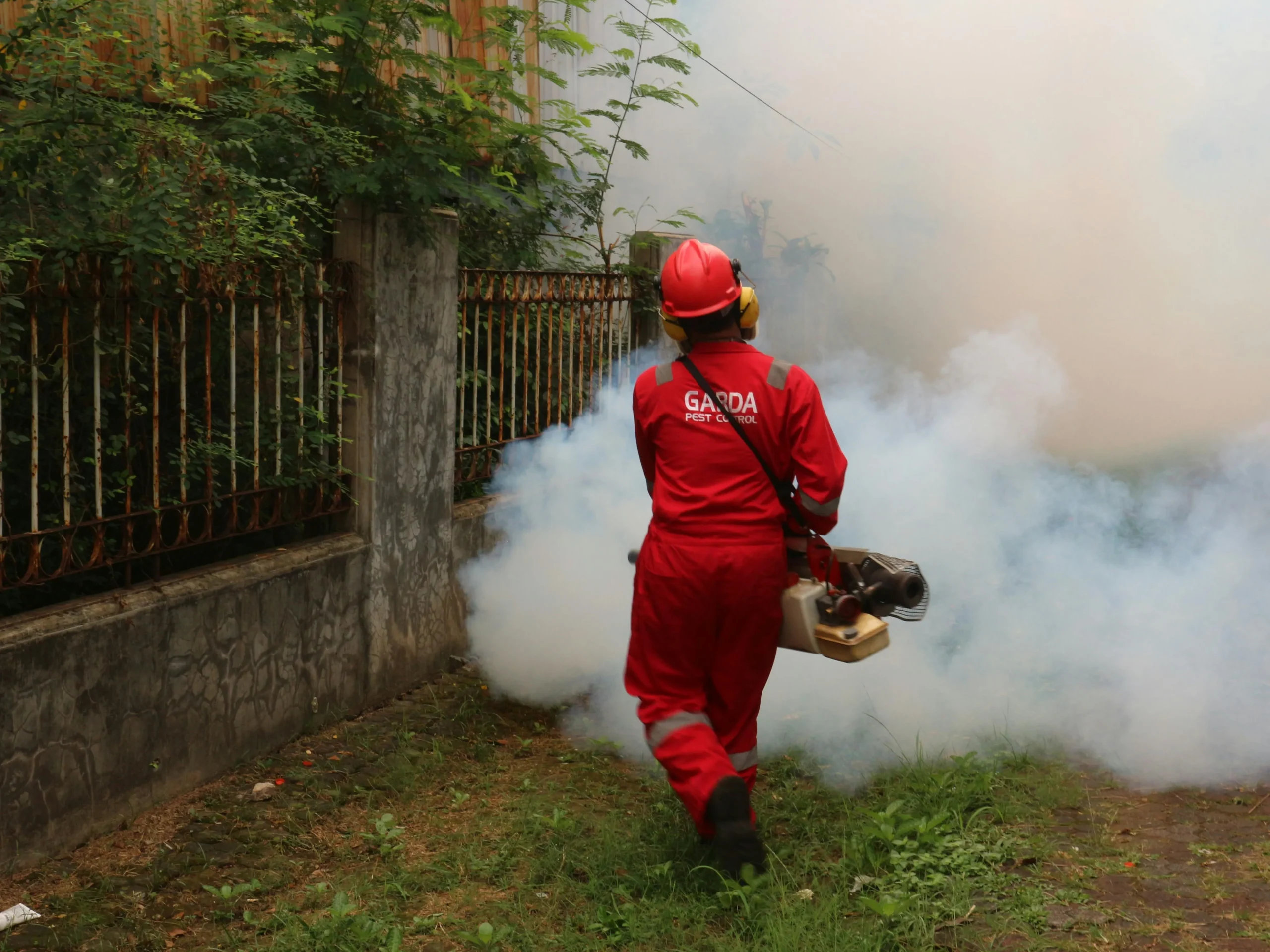

Pest control is the management and elimination of unwanted organisms from human environments through chemical, physical, and biological methods. This practice protects structures from damage. It prevents disease transmission. It maintains sanitary living conditions.
The main methods of pest control include chemical applications, physical barriers, and biological interventions. Each method targets specific pest types and infestation levels.
Pest control works through systematic inspection, accurate identification, targeted treatment, and ongoing monitoring. Technicians locate pest activity zones. They apply treatments to eliminate existing populations. They implement preventive measures to block future invasions. The process disrupts pest life cycles and removes conducive conditions.
The primary benefits of professional pest control include structural protection, health safeguarding, and quality of life improvement. Treatments prevent costly property damage. They reduce disease transmission risks. They eliminate stress associated with pest presence.
The potential risks and limitations of pest control treatments include chemical exposure concerns, incomplete pest elimination, and environmental impacts.
Cost factors for pest control services include property size, infestation severity, pest type, treatment method, service frequency, and geographic location. Ongoing programs cost less per visit than one-time services.
What Are the Different Methods of Pest Control?
The different methods of pest control are chemical treatments, physical interventions, and biological controls that target pest populations through distinct mechanisms. Methods are selected based on pest species, infestation severity, and environmental considerations. Effectiveness varies by application technique and pest biology.
The different methods of pest control are highlighted below:
Chemical Pest Control
Chemical pest control is the application of synthetic or organic pesticides to kill, repel, or disrupt pest populations. This method uses formulated compounds with specific modes of action. Chemical control provides rapid knockdown of active infestations.
The chemical pest control treatment types are highlighted below:
- Liquid insecticides: Spray applications containing pyrethroids, neonicotinoids, or organophosphates for surface treatment and barrier creation
- Baiting systems: Slow-acting toxicants combined with attractants that pests carry to colonies, eliminating entire populations
- Fumigation: Gas treatments using sulfuryl fluoride or methyl bromide for whole-structure pest elimination
- Dust formulations: Desiccating powders or insecticidal dusts applied to wall voids and hard-to-reach areas
- Granular products: Outdoor treatments for soil-dwelling pests and perimeter protection
- Aerosol foggers: Total-release formulations for widespread interior coverage
Physical Pest Control
Physical pest control is the use of mechanical devices, barriers, and environmental modifications to capture, exclude, or kill pests without chemicals. These methods provide immediate results without pesticide exposure. Physical control works continuously once installed.
The physical pest control methods are highlighted below:
- Traps: Snap traps, glue boards, and live-capture devices for rodents and insects
- Exclusion barriers: Sealing entry points with caulk, mesh, and door sweeps to prevent pest access
- Heat treatment: Raising temperatures to 120-140°F to kill bed bugs and other heat-sensitive pests
- Cold treatment: Freezing techniques using liquid nitrogen for localized pest elimination
- Vacuuming: Physical removal of insects, eggs, and debris from infested areas
- Screening: Mesh barriers on windows, vents, and doors to block flying insect entry
- Light traps: UV-based attractants for flying insects in commercial settings
Biological Pest Control
Biological pest control is the introduction or enhancement of natural enemies that prey upon, parasitize, or infect pest populations. This method leverages ecological relationships. It provides sustainable, long-term pest suppression with minimal environmental impact.
The biological pest control approaches are highlighted below:
- Natural predators: Releasing ladybugs for aphid control or predatory mites for spider mite management
- Beneficial insects: Introducing parasitic wasps that attack specific pest species
- Microbial control: Applying Bacillus thuringiensis (Bt) bacteria or entomopathogenic fungi to target insect pests
- Nematodes: Using beneficial nematodes for soil-dwelling pest larvae control
- Competition: Employing organisms that outcompete pests for resources
- Predatory fish: Stocking mosquito fish in ornamental ponds for larvae control
How Are Pest Control Methods Classified by Treatment Approach?
Pest control methods are classified by treatment approach into preventive, corrective, and integrated strategies. Preventive approaches stop infestations before they occur. Corrective methods address active pest problems. Integrated approaches combine multiple tactics for comprehensive control.
Treatment selection connects to infestation severity. Minor problems respond to single-method approaches. Severe infestations require multi-method strategies. Integrated Pest Management (IPM) principles emphasize using the least-toxic effective method.
What Is the Difference Between Reactive and Preventive Pest Control?
The main difference between reactive and preventive pest control is timing and intent. Reactive control responds to existing pest problems after detection. Preventive control implements measures before infestations develop. Reactive approaches treat active populations.
Preventive strategies eliminate conducive conditions and block access. Reactive control costs more per incident. Preventive programs reduce long-term treatment needs. Most professional services combine both approaches for optimal results.
How Does Integrated Pest Management Differ From Traditional Extermination?
Integrated Pest Management differs from traditional extermination through comprehensive strategy rather than single-treatment focus. IPM combines monitoring, prevention, and multiple control methods.
Traditional extermination relies primarily on chemical pesticides. IPM emphasizes long-term solutions through habitat modification and exclusion. Traditional methods provide temporary knockdown without addressing root causes.
IPM prioritizes least-toxic options and uses chemicals only when necessary. Traditional extermination applies pesticides as first response. IPM combines cultural, physical, biological, and chemical controls for superior long-term results.
How Does Pest Control Work to Eliminate Infestations?
Pest control works to eliminate infestations through systematic inspection, accurate identification, targeted treatment application, and follow-up monitoring. The process begins with thorough property assessment.
Technicians locate pest activity evidence. They identify species to select appropriate methods. Treatment mechanisms vary by product and pest type. Contact insecticides kill on direct application.
Ingested toxicants work through bait consumption. Growth regulators disrupt reproduction and development.
What Are the Different Stages of Professional Pest Control Service?
The different stages of professional pest control service are sequential steps that ensure thorough infestation elimination. Each stage builds upon previous findings. Proper execution determines treatment success.
The professional pest control service stages are highlighted below:
- Inspection: Technicians examine interior and exterior areas to identify pest species, locate activity zones, find entry points, and assess infestation severity
- Identification: Specialists determine exact pest species to select species-appropriate treatment methods and predict behavior patterns
- Treatment plan development: Professionals create customized strategies based on pest type, property characteristics, and customer preferences
- Application: Licensed technicians apply selected treatments using calibrated equipment, proper dosing, and targeted placement for maximum effectiveness
- Follow-up service: Return visits assess treatment effectiveness, address surviving populations, and apply supplemental treatments as needed
- Prevention implementation: Installing exclusion devices, sealing entry points, and providing recommendations to prevent future infestations
What Is the Difference Between Treatment and Exclusion?
The main difference between treatment and exclusion is elimination versus prevention mechanism. Treatment kills or removes existing pest populations through chemical, physical, or biological means.
Exclusion prevents pest entry by sealing gaps, installing barriers, and eliminating access points. Treatment addresses current problems. Exclusion prevents future invasions. Treatment effects are temporary without exclusion.
Exclusion provides permanent protection when properly maintained. Combined approaches deliver optimal long-term control.
How Long Does Pest Control Take to Work?
Pest control takes from hours to weeks to work, depending on pest type, treatment method, and infestation severity. Contact sprays kill insects within minutes to hours. Baiting systems require 7-14 days for colony elimination.
Termite treatments need 30-90 days for complete colony death. Immediate knockdown reduces visible pest activity. Population elimination requires longer timeframes to affect reproductive stages.
Treatment timelines vary by method. Chemical applications work faster than biological controls. Pest type influences duration. Fast-reproducing species require repeated treatments. Slow-breeding pests succumb to single applications.
What Are the Benefits of Professional Pest Control?
The common benefits of professional pest control include property protection, health safeguarding, stress reduction, and cost savings over time. Professional services provide expertise unavailable through DIY methods. Guaranteed results ensure problem resolution.
The benefits of professional pest control are highlighted below:
- Structural protection: Prevents termite damage, carpenter ant destruction, and rodent gnawing that compromise building integrity
- Disease prevention: Eliminates vectors for hantavirus, salmonella, Lyme disease, and other pathogens
- Allergen reduction: Removes cockroach proteins, rodent dander, and other asthma triggers
- Food safety: Protects stored food from contamination by insects and rodents
- Property value maintenance: Preserves real estate value by preventing pest damage and infestation history
- Liability protection: Reduces risk in commercial settings where pest presence violates health codes
- Time savings: Professional expertise accomplishes in hours what DIY attempts may fail to achieve in weeks
- Product access: Licensed applicators use commercial-grade materials unavailable to consumers
- Warranty protection: Guarantees ensure retreatment if pests return within coverage period
How Does Pest Control Protect Property Value?
Pest control protects property value through preventing structural damage and maintaining marketability. Termite prevention saves thousands in repair costs. Early intervention stops minor issues from becoming major expenses. Long-term value preservation exceeds emergency repair costs.
Properties with pest histories sell at 10-20% discounts. Active infestations deter buyers and delay sales. Regular pest control maintains inspection readiness for real estate transactions according to a 2019 study titled “Pest Control Impact on Residential Property Values.”
What Role Does Pest Control Play in Health Protection?
The role pest control plays in health protection is eliminating disease vectors and reducing allergen exposure. Rodent control prevents hantavirus transmission that kills 36% of infected individuals.
Mosquito management reduces West Nile virus risk affecting 2,000 Americans annually. Cockroach elimination decreases asthma attacks in sensitive individuals by 60%. Acute health risks include bites, stings, and pathogen exposure.
Chronic risks involve long-term allergen exposure and disease transmission. Vulnerable populations including children, elderly, and immunocompromised individuals benefit most from pest control.
How Does Pest Control Provide Peace of Mind?
Pest control provides peace of mind through eliminating stress associated with pest presence and infestation anxiety. Psychological benefits include improved sleep quality and reduced vigilance. Homeowners report decreased stress levels after professional treatment. Quality of life improves when pest concerns no longer dominate daily thoughts.
Comfort increases when pest encounters cease. Livability improves through reclaiming spaces previously avoided due to pest activity. Professional guarantees reduce worry about recurring problems.
What Are the Risks of Pest Control?
Pest control risks are potential hazards associated with treatment applications when safety protocols are not followed. Risks occur with improper product selection. They arise from incorrect application techniques.
They emerge when re-entry times are ignored. Most risks are preventable through professional expertise and homeowner cooperation. Modern pest control products have improved safety profiles compared to historical formulations.
Can Pest Control Treatments Harm Pets or Children?
Yes, pest control treatments can harm pets or children if safety protocols are not followed, but proper precautions make modern treatments safe. Products contain active ingredients that affect nervous systems.
Exposure routes include inhalation, dermal contact, and ingestion. Proper safety protocols minimize risks. Treated areas should dry completely before re-entry. Pets and children should remain absent during application. Products are applied to targeted areas, not broadcast throughout homes. Professional applicators follow label requirements strictly. Most treatments pose minimal risk when used correctly.
What Is the Difference Between Pet-Safe and Child-Safe Pest Control?
The main difference between pet-safe and child-safe pest control is species-specific toxicity and exposure pathway considerations. Pet-safe pest control accounts for animal behavior patterns and metabolic differences.
How Do Chemical Sensitivities Affect Treatment Selection?
Chemical sensitivities affect treatment selection by requiring alternative approaches for individuals with respiratory conditions or allergic reactions. Sensitive individuals experience symptoms at exposures below toxic levels.
Reactions include headaches, nausea, respiratory irritation, and skin responses. Sensitivity differs from toxicity. Toxicity requires specific dose levels. Sensitivity triggers at minimal exposures.
Alternative treatment options include physical controls, heat treatments, and biological methods. Low-odor formulations reduce reaction triggers. Gel baits and dust applications minimize airborne exposure.
What Are Re-Entry Times After Pest Control Treatment?
Re-entry times are the minimum waiting periods before occupants can safely return to treated areas. These times ensure product drying and vapor dissipation. Re-entry times are determined by product formulation, application method, and surface type. Water-based sprays require 2-4 hours. Oil-based products need 4-6 hours.
Fumigation requires professional clearance testing. Treatment type influences duration. Exterior applications allow immediate re-entry. Interior treatments require ventilation completion.
What Determines Pest Control Cost?
The factors that determine pest control cost vary significantly based on property characteristics, pest challenges, and service parameters. Cost calculations consider multiple variables simultaneously.
The pest control cost factors are highlighted below:
- Property Size: Larger homes require more material and labor. Treatment time increases with square footage. A 1,000 sq ft home costs $100-200 while 3,000+ sq ft properties cost $300-500 for basic service.
- Infestation Severity: Minor problems need single treatments. Severe infestations require multiple visits and extensive applications. Light activity costs $150-300. Heavy infestations range from $500-2,000.
- Pest Type: Common ants cost $100-300 to treat. Termites require $1,500-3,500 for complete elimination. Bed bugs demand $1,000-4,000 for heat or chemical treatment. Specialized pests increase costs.
- Treatment Method: Spray applications cost $100-300. Baiting systems run $150-400. Heat treatments range from $1,000-3,000. Fumigation costs $2,000-8,000. Complex methods command premium pricing.
- Service Frequency: One-time visits cost more per visit than ongoing programs. Quarterly service averages $100-150 per visit. Monthly service costs $40-70 per visit with annual commitments.
- Geographic Location: Urban areas charge 20-30% more than rural regions. Coastal markets exceed interior pricing. High cost-of-living areas increase labor rates according to a 2020 study titled “Regional Variations in Pest Control Pricing.”
What Is the Average Cost of One-Time Pest Control?
The average cost of one-time pest control is $200-400 for standard residential treatment addressing common pests in typical home sizes. Factors affecting pricing include pest type, property accessibility, and treatment complexity. Inspection fees range from $50-150 when not included in treatment costs.
Treatment costs cover materials, labor, and expertise. Some companies waive inspection fees when treatment is purchased. Pricing varies by region and company. National chains charge different rates than local operators.
How Much Does Ongoing Pest Control Cost?
Ongoing pest control costs $400-600 annually for quarterly residential service or $500-800 for monthly programs. Subscription pricing models reduce per-visit costs compared to one-time service.
Quarterly visits average $100-150 each. Monthly visits cost $40-70 each with annual contracts. Frequency connects to prevention effectiveness. Monthly service provides superior protection for high-risk properties. Quarterly service suffices for moderate pest pressure. Annual contracts offer 10-20% savings versus individual visit pricing.
What Is the Difference Between Inspection Fees and Treatment Costs?
The main difference between inspection fees and treatment costs is service component and value delivery. Inspection fees cover professional assessment, pest identification, and treatment recommendations.
Treatment costs pay for actual pest elimination through product application and labor. Inspection fees range from $50-150 as standalone services. Treatment costs span $100-3,000+ depending on scope. Some companies include inspection in treatment pricing. Others charge separately then credit fee toward treatment. Standalone inspections provide value for diagnosis without treatment commitment.
How Are Pest Control Services Delivered?
Pest control services are delivered through multiple service models tailored to customer needs and pest problems. Models include one-time treatments for isolated issues. Quarterly programs provide ongoing protection. Monthly service offers maximum prevention. Emergency services address urgent infestations. One-time service suits temporary problems. Recurring programs prevent reinfestation. Emergency response handles immediate threats. Service selection depends on pest type, property characteristics, and customer preferences.
What Should You Expect During a Pest Control Visit?
During a pest control visit, you should expect thorough inspection, targeted treatment application, and prevention recommendations from licensed technicians. Visits typically last 30-90 minutes depending on property size and service scope.
Technicians inspect interior and exterior areas. They identify pest activity and conducive conditions. They apply treatments to baseboards, entry points, and problem areas. They install or check monitoring stations. Homeowner preparation includes removing pets, covering fish tanks, and clearing treatment areas.
Post-treatment instructions specify re-entry times and cleaning restrictions. Documentation includes service reports and product information.
What Is the Difference Between Emergency and Scheduled Pest Control?
The main difference between emergency and scheduled pest control is urgency and response time. Emergency service addresses immediate threats requiring rapid response within 24 hours. Scheduled service follows regular intervals for prevention and routine control. Emergency situations include stinging insect nests near entries, rodent die-offs creating odors, or bed bug discoveries before guests arrive. Emergency service costs 50-100% more than scheduled appointments. Scheduled service allows optimal timing and treatment planning. Emergency pest control provides rapid response for urgent situations.
How Does Regular Maintenance Prevent Future Infestations?
Regular maintenance prevents future infestations through continuous monitoring, barrier renewal, and early problem detection. Scheduled visits maintain protective barriers before breakdown.
Technicians detect pest activity before populations establish. They identify and address conducive conditions. Monitoring devices track pest pressure changes. Early detection enables intervention at lower cost and effort. Barrier maintenance prevents entry point deterioration. Prevention connects to cost savings.
Treating small problems costs less than eliminating established infestations. Maintenance programs reduce emergency service needs by 60-80%.
What Questions Should You Ask Before Hiring Pest Control?
Asking questions before hiring pest control ensures informed decisions and service quality verification. Questions reveal company qualifications, service details, and treatment approaches. Informed consumers select better service providers. Question responses indicate professionalism and expertise.
The important questions to ask before hiring pest control are highlighted below:
- Are you licensed and insured?: Licensing confirms legal operation and technical competence. Insurance protects homeowners from liability if accidents occur during service.
- What pest control methods do you use?: Understanding treatment approaches helps assess safety and effectiveness. Method selection should match pest type and customer preferences.
- Do you offer guarantees or warranties?: Guarantees ensure re-treatment if pests return. Warranty terms reveal company confidence in service quality.
- What preparation is required before treatment?: Preparation requirements indicate professional standards. Clear instructions prevent treatment interference and safety issues.
- How long before we can re-enter treated areas?: Re-entry times ensure occupant safety. Specific timeframes demonstrate product knowledge and safety awareness.
- What are the costs and payment terms?: Transparent pricing prevents surprises. Clear costs enable budget planning and service comparison.
- How many treatments will be needed?: Realistic treatment expectations prevent disappointment. Multiple treatments indicate honesty about pest control complexity.
- What preventive measures do you recommend?: Prevention advice demonstrates comprehensive approach. Recommendations beyond treatment show customer-focused service.
How Do You Verify Pest Control Licensing and Certification?
Pest control licensing and certification are verified through state regulatory agency checks and credential documentation requests. State pesticide regulatory boards maintain online databases. Verification confirms legal operation and technical training. Licensed applicators complete required education and examinations.
Certifications demonstrate specialized expertise. State licensing requirements vary by jurisdiction. Most states mandate structural pest control licenses. Commercial applicators need category-specific certifications. Relevant certifications include Certified Pest Control Operator (CPCO) and QualityPro certification from the National Pest Management Association.
What Should Be Included in a Pest Control Service Agreement?
A pest control service agreement should include detailed service descriptions, pricing terms, guarantee provisions, and cancellation policies. Key components specify pests covered and excluded. They define treatment methods and frequency. They outline customer and company responsibilities. Service agreements include visit schedules. They specify response times for service calls. They detail product application protocols.
Guarantee terms define coverage periods and re-treatment conditions. Warranty limitations exclude certain situations. Service frequency determines visit intervals. Coverage areas identify treated zones. Agreement review prevents misunderstandings and establishes expectations.