Insect Control Services in Kent WA
Each pest species requires its own treatment approach. Select a service below for detailed information, treatment methods, and species-specific guidance.
Wasp & Hornet Removal - Yellow Jackets, Hornets, Mud Daubers
Spider Control - Giant House, Hobo & Black Widow Spiders
Cockroach Control - German & American Cockroaches
Bed Bug Treatment - Heat-Assisted & Chemical Methods
Termite Control - Western Subterranean Termites
Flea & Tick Control - Cat Fleas, Dog Fleas & Black-legged Ticks
Mosquito Control - Barrier Treatments & Larvicide
Common Insects We Treat in Kent
Ants
Odorous house ants and pavement ants are the dominant ant species in Kent homes. They forage indoors for sweet or protein-based food and nest in wall voids, under slabs, and in soil near foundations. Baiting is more effective than spray alone because it reaches the colony. The WSU Extension ant control guide recommends identifying the species before selecting a treatment method. Guardian inspects and confirms the species on every visit. See our ant control page for full species coverage including carpenter ants and moisture ants.
Spiders
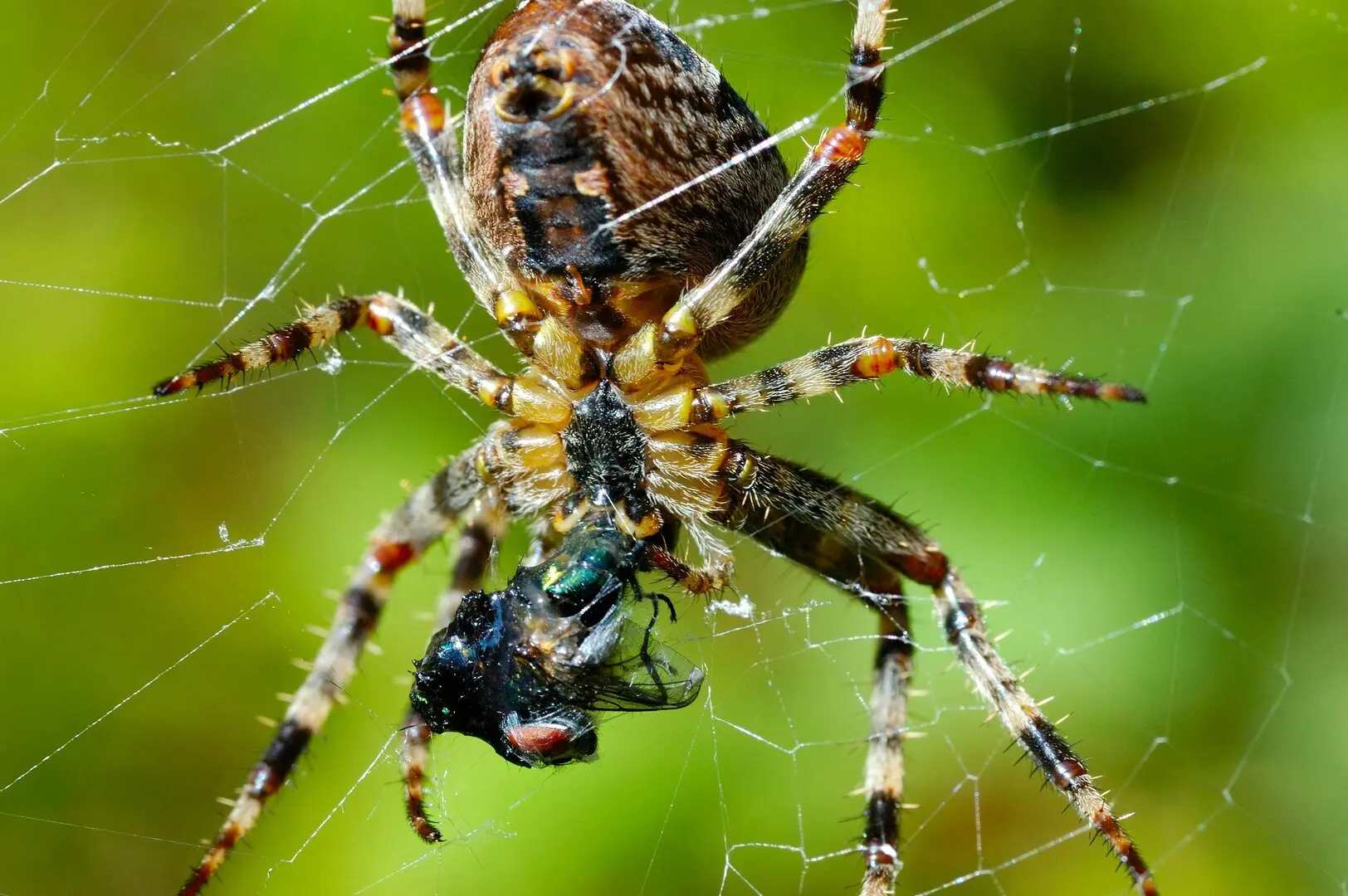
Giant house spiders (Eratigena atrica) are common in Kent basements and crawl spaces from September through November. Hobo spiders (Eratigena agrestis) occupy lower harborage areas - crawl spaces, garage corners, and behind stored items. Western black widows are occasionally found in undisturbed exterior areas including wood piles and crawl space corners. All three species signal an underlying insect food source. Guardian treats the spider harborage sites and the insect prey base that sustains them. See our spider control page for species identification and treatment detail.
Stinging Insects - Yellow Jackets and Wasps
Yellow jackets nest in the ground and in wall voids. Bald-faced hornets build aerial paper nests in eaves and shrubs. Both become aggressive when a nest is disturbed. WSU Extension identifies yellow jackets as the most common stinging insect complaint in Western Washington. Guardian removes active nests safely and treats the void or cavity to prevent re-nesting. Same-day emergency removal is available - see our wasp and hornet removal page for nest-type treatment options.
Cockroaches
German cockroaches infest kitchens and bathrooms. They breed fast - a single female produces up to 400 offspring in her lifetime. Treatment requires gel bait inside cabinets combined with growth regulators that break the breeding cycle. One spray treatment alone rarely works. Guardian uses a multi-tool approach and follows up to confirm colony elimination. Full methodology on our cockroach control page.
Mud Daubers
Mud daubers are solitary wasps that build clay tubes on siding, eaves, and under overhangs. They are not aggressive but their nests become unsightly and can attract other insects. Guardian removes nests and applies a preventive barrier to deter rebuilding.
Honey Bees
Honey bees occasionally swarm and establish colonies inside wall voids and soffits in Kent homes. Unlike yellow jackets, honey bees are protected pollinators - removal requires a licensed beekeeper to relocate the colony alive where possible. Guardian coordinates with local beekeepers and treats the void after colony removal to prevent secondary pests from moving in.
Why Kent Homes See High Insect Activity
Kent’s location in the Green River Valley creates warm, moist microclimates near waterways that support large insect populations. Properties near Soos Creek, Lake Meridian, or Mill Creek watersheds see heavier ant and mosquito pressure. Dense housing also means pests move easily from one yard to the next. The EPA notes that urban and suburban landscapes create ideal conditions for pest establishment due to food availability and shelter from structures.
Guardian’s Insect Control Process
Every insect control service begins with an inspection. Our licensed technician identifies the pest species, locates nests or entry points, and selects a treatment method suited to your home’s layout and the pest biology. After treatment, you receive a written service report. If insects return between quarterly visits, we re-treat at no charge - no questions asked.
Frequently Asked Questions
Do I need quarterly service or just a one-time treatment?
Most insect problems benefit from quarterly visits. One treatment stops the current infestation, but new colonies can establish between visits. Quarterly service keeps pressure low year-round.
How long does treatment take?
A standard interior and exterior insect treatment takes 45–90 minutes depending on property size. Our technician confirms the time estimate when booking.
For pest identification resources, see the National Pest Management Association pest guide and King County Public Health - Pests and Rodents.
What Our Customers Say
★★★★★
“Yellow jacket nest in our wall void - Guardian came out the same day I called. They removed the nest safely, treated the cavity, and applied a barrier to stop them from rebuilding. No more yellow jackets. Fast and professional.”
★★★★★
“Hobo spiders in the basement and garage every September without fail. Guardian treated the harbourage sites and the insect prey base that was drawing them in. First autumn without a spider problem in years.”
★★★★★
“Pavement ants coming in through the garage every summer. I’d tried over-the-counter sprays with no luck. Guardian baited the colony directly and the problem was resolved within two weeks. Finally.”