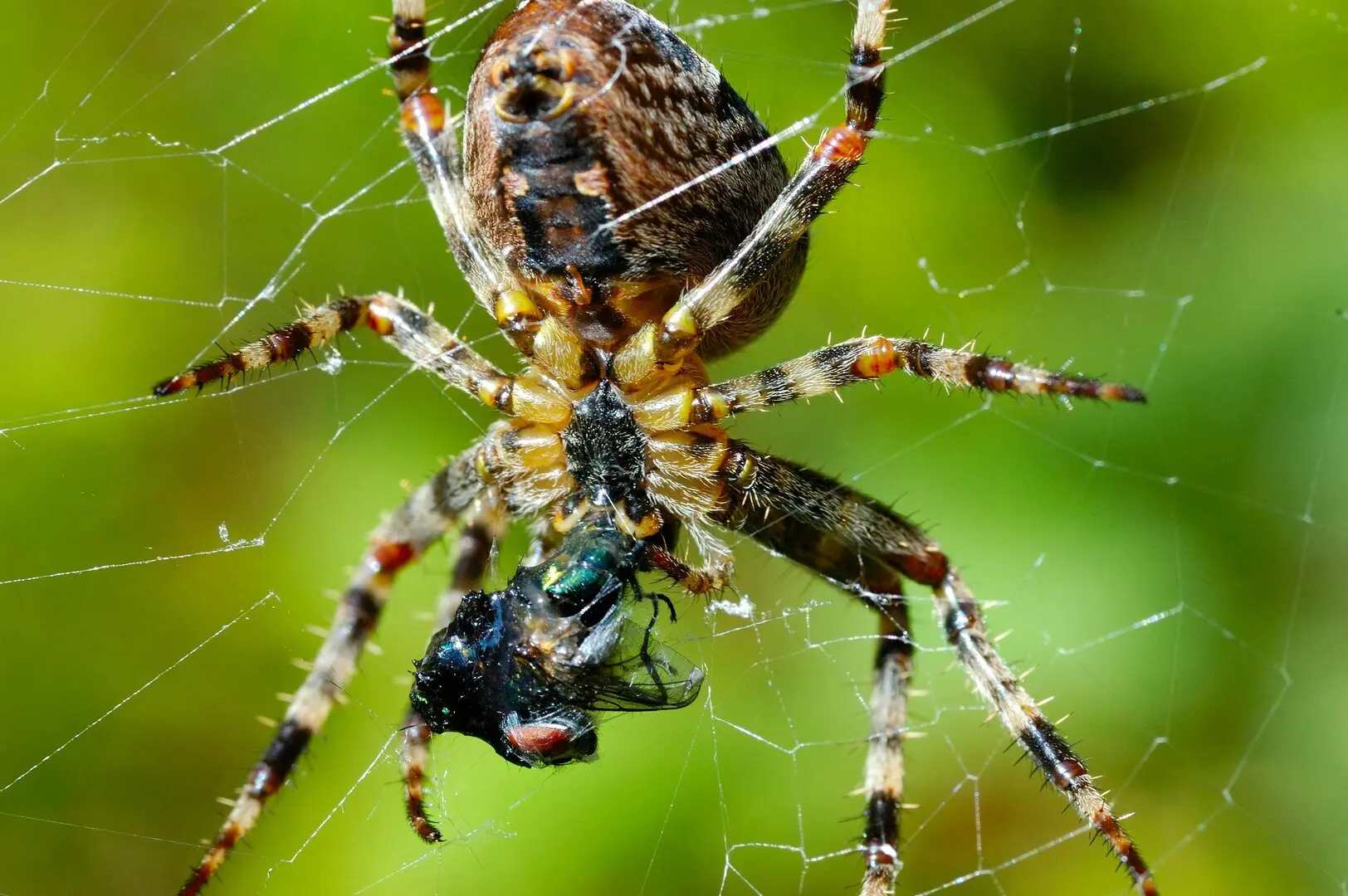
Spider Species Common in Kent Homes
Washington state supports dozens of spider species, but four are responsible for the majority of pest control calls in Kent. Correct identification matters because harborage preferences and treatment targets differ by species.
Giant House Spider (Eratigena atrica)
The giant house spider is the large, fast-moving spider most Kent residents encounter in late summer and autumn. They are harmless to humans and actually prey on other pest insects. However, their size and speed cause understandable concern. They prefer dark, low-traffic areas: basements, crawl spaces, garages, and the space behind furniture pushed against exterior walls.
Hobo Spider (Eratigena agrestis)
Hobo spiders build funnel-shaped webs at ground level - along foundations, in woodpiles, and under debris. They are common in Kent crawl spaces and along the exterior foundation of older homes. Research from WSU Extension on hobo spider management provides current guidance on identification and Western Washington distribution. Hobo spiders do not climb smooth surfaces, which means most encounters occur at floor level.
Western Black Widow (Latrodectus hesperus)
Western black widows are present in Kent and throughout South King County. They prefer dry, protected locations: wood piles, meter boxes, outdoor furniture, and cluttered garages. The female’s venom is medically significant. Black widow bites require prompt medical attention. Guardian inspects and treats known harborage sites and removes egg sacs during treatment.
Cellar Spider (Pholcus phalangioides)
Cellar spiders - the long-legged “daddy long legs” of basements and crawl spaces - are harmless and consume other small insects. They are an indicator of available prey. Large populations of cellar spiders in a basement or crawl space signal active insect presence beneath the structure.
Spiders Are an Indicator Species
A significant spider population in a home signals an underlying insect problem. Spiders do not move into spaces that lack prey. Finding multiple webs, egg sacs, or regular live spider sightings means the home is supporting an insect population large enough to sustain a spider colony. Treating spiders alone without addressing the prey base produces short-term results.
Guardian’s integrated pest control service addresses both the spider population and the insects feeding them. This two-layer approach produces lasting results rather than short-term knockdown.
The National Pest Management Association pest guide and King County Public Health both recognise spider infestations as part of broader structural pest pressure, not an isolated issue.
When Spider Pressure Peaks in Kent
Late summer is mating season for giant house spiders and hobo spiders across Western Washington. Males leave their established harborage sites and move through the structure searching for females. This is when homeowners in Kent notice sudden increases in spider sightings - particularly in bathrooms, hallways, and along baseboards.
Autumn drives both insects and spiders indoors as overnight temperatures drop. Crawl spaces, woodpiles adjacent to the foundation, and cluttered basement storage areas become primary harborage. Homes near Soos Creek and other green corridors in South King County experience higher natural spider pressure due to the adjacent forested habitat.
Guardian’s Spider Treatment Approach
Harborage Site Inspection
The technician inspects crawl spaces, basements, garage perimeters, exterior woodpiles, and foundation voids. Black widow harborage sites - particularly utility meter boxes, wood debris, and ground-level outdoor furniture - receive focused attention.
Perimeter and Interior Treatment
Residual product is applied to harborage areas, along baseboards, and around exterior entry points. The goal is to reduce both the spider population and the prey insects supporting it. Web removal is included where accessible to eliminate egg sacs and discourage re-establishment.
Written Service Report
Every Guardian visit produces a written report noting species observed, locations treated, products applied, and structural recommendations. If moisture issues, gaps in the foundation, or conditions attracting insects are observed, they are documented for the homeowner.
Ant Control in Kent WA
Spider populations in Kent are directly linked to the prey insects feeding them. Homes with significant ant or cockroach activity will consistently re-infest with spiders after treatment if the food source isn’t addressed. Guardian’s ant control in Kent targets the colony using species-specific bait and can be combined with spider perimeter treatment in the same service visit.
Hobo Spider Identification Guide
The hobo spider is the most frequently encountered funnel-web spider in Kent basements and crawl spaces - and one of the most commonly misidentified. Correct species identification matters before treatment because different spider species require different harborage-targeting strategies. The hobo spider identification guide covers the key characteristics that distinguish hobo spiders from giant house spiders, sac spiders, and the brown recluse, which is not established in Western Washington.
What Our Customers Say
★★★★★
“Giant house spiders every September in the basement - it had been an annual problem for years. Guardian treated the harbourage areas and explained that the spiders were following the insect population in. Treated both. First autumn without a single spider in the house.”
★★★★★
“Found what we thought was a hobo spider in the garage. Guardian identified it, confirmed there was a population in the crawl space, and treated the access points and harbourage sites. They also found a black widow in the corner of the crawl space we hadn’t known about.”
★★★★★
“Western black widow in the corner of our outdoor storage area. Guardian treated the exterior harbourage zones and the wood pile area where they typically nest. Follow-up confirmed no further activity. Peace of mind with young kids using the yard.”