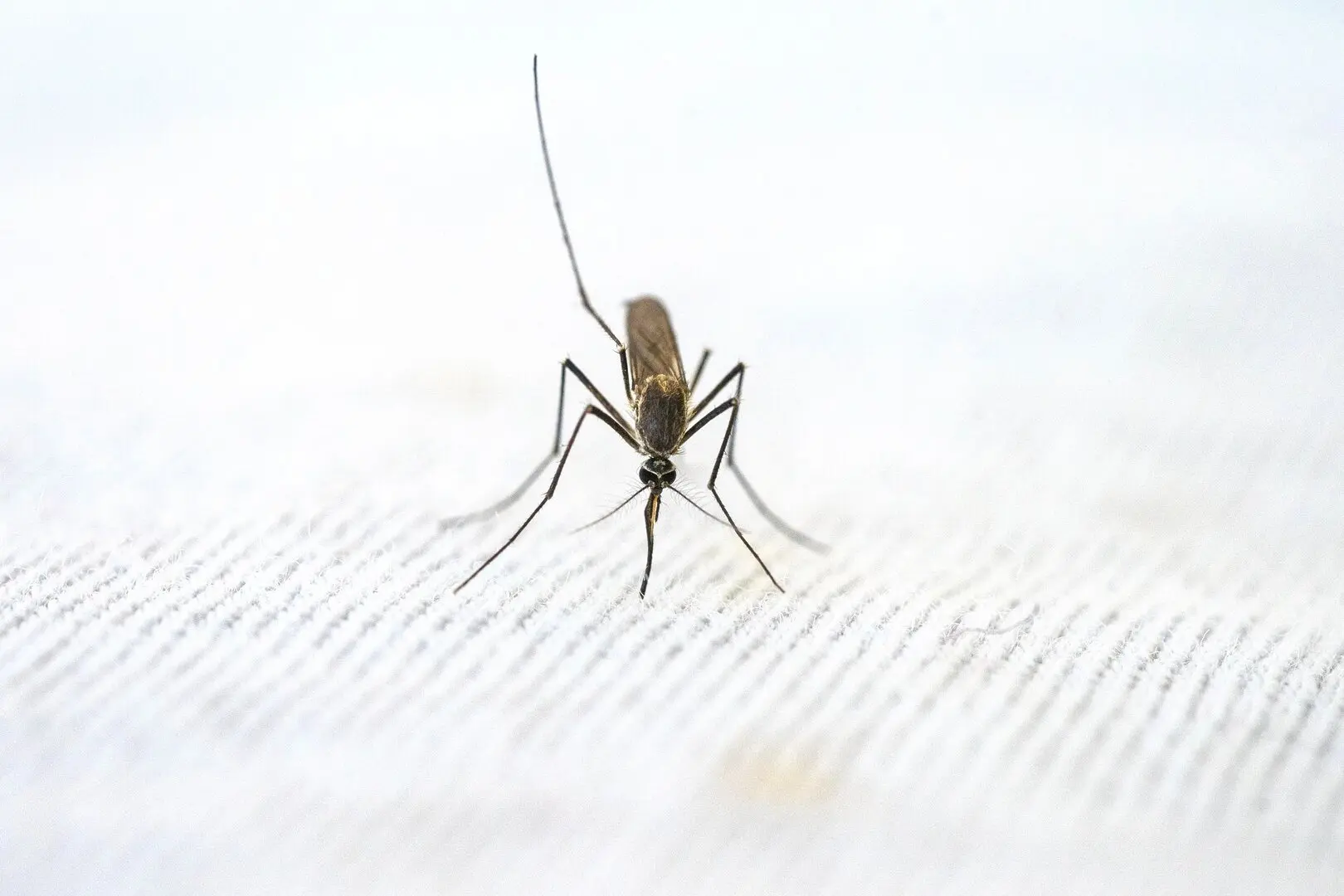
Mosquito Species in South King County
The western house mosquito - Culex pipiens - is the primary species of concern in Kent and throughout South King County. Culex pipiens is the principal vector of West Nile virus in Washington State. It breeds in stagnant and slow-moving water and is most active at dawn and dusk. The King County Vector Control Division monitors West Nile virus activity annually and reports detected cases in mosquitoes and birds across the county.
Aedes species are also present in Kent, including nuisance biters active during the day. Aedes mosquitoes breed in small containers and temporary standing water rather than large bodies of still water, making yard source reduction especially important for controlling this species.
Why Kent Properties Have Elevated Mosquito Pressure
Green River Valley Wetlands and Soos Creek
Kent sits in the Green River Valley, which retains surface water through spring and into summer. Soos Creek and its associated wetlands border residential areas throughout eastern Kent and Covington. These habitat features produce high numbers of adult mosquitoes that forage into adjacent neighbourhoods. Barrier treatments on individual properties reduce the resting population on your land but cannot eliminate mosquitoes produced in adjacent public open space.
Standing Water on Residential Properties
The most controllable mosquito breeding source is standing water on the property itself. Clogged rain gutters are the single most productive residential breeding site in Western Washington - a 10-foot section of debris-filled gutter can produce hundreds of mosquitoes per week during the wet season. Tarps, plant saucers, bird baths, low spots in the lawn, and any containers left outside all collect the half-inch of water mosquitoes need to complete their breeding cycle.
Guardian’s Mosquito Treatment Approach
Barrier Spray Treatment
Barrier spray applies residual product to the underside of shrubs, hedges, and ornamental vegetation where adult mosquitoes rest during daylight hours. Adult mosquitoes are not in flight continuously - they spend the majority of their time resting on cool, shaded plant surfaces. Treatment of these resting sites significantly reduces the active adult population on the property. Treatments are scheduled every three to four weeks during the active season.
Larvicide Application
Where standing water cannot be eliminated - ornamental ponds, drainage features, or areas with intermittent pooling - Guardian applies BTi (Bacillus thuringiensis israelensis) larvicide. BTi is a biological agent toxic to mosquito larvae and is approved by the EPA for use in residential mosquito control. It does not harm fish, birds, mammals, or non-target insects. The Washington State Department of Health endorses source reduction and larvicide as the primary mosquito management tools at the residential level.
Source Reduction Assessment
Every Guardian mosquito visit includes a written assessment of active or potential breeding sites on the property. Gutter condition, yard drainage, container debris, and tarp storage are documented. Eliminating breeding sources is the highest-return action a homeowner can take. Guardian’s mosquito control service covers the full range of yard and perimeter treatments available.
Wasp Removal in Kent WA
Late summer brings peak mosquito pressure and peak yellow jacket activity to Kent yards simultaneously. Both pests are active near Soos Creek greenbelts and the Green River Valley. Guardian’s wasp removal in Kent includes same-day emergency appointments when an active nest presents an immediate risk to occupants - bookable at the same time as mosquito barrier treatment.
What Our Customers Say
★★★★★
“Our yard backs onto a drainage channel near the Green River Valley and mosquitoes were making the garden unusable from May onwards. Guardian applied a barrier spray around the perimeter and treated the standing water areas with larvicide. Mosquito pressure dropped significantly.”
★★★★★
“Property near Lake Meridian - mosquitoes every evening from June to September. Guardian’s seasonal programme has made a real difference. Two barrier treatments and larvicide application around the pond at the back of the garden. Night and day compared to last summer.”
★★★★★
“Had standing water in low areas of the garden after heavy rain. Guardian treated them with Bti larvicide and advised on drainage improvements to reduce breeding sites long-term. Practical advice alongside the treatment, not just a sales pitch for more sprays.”