The Number One Sign: Mud Tubes
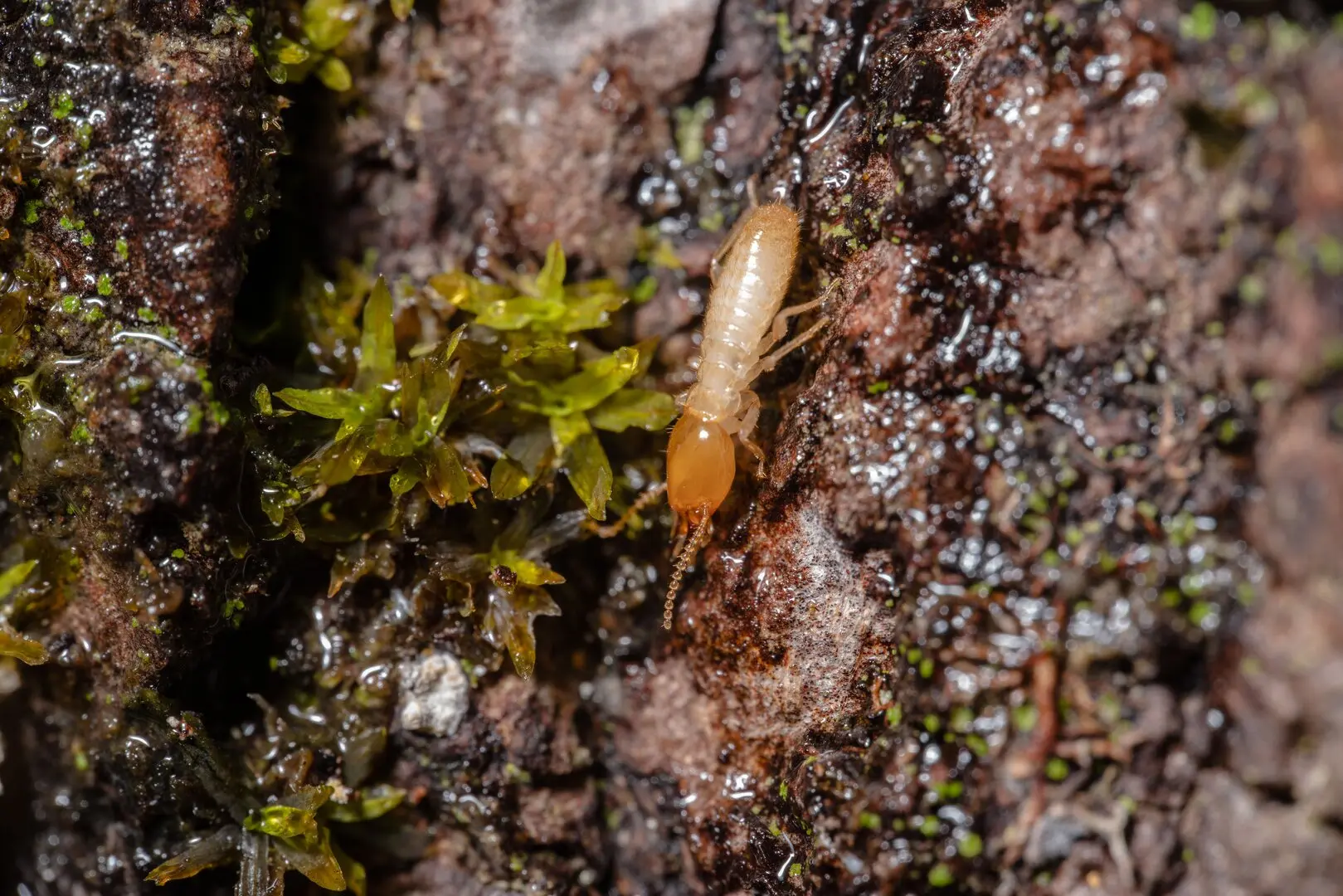
Mud tubes are the clearest indicator of an active Western subterranean termite infestation. Termites build these pencil-width tunnels from soil, wood particles, and saliva to protect themselves from desiccation as they travel between the ground colony and their food source above. They run along foundation walls, over concrete pier blocks, up wooden posts, and across the underside of subfloor framing.
Finding a mud tube does not always confirm an active infestation - colonies sometimes abandon tubes. Guardian breaks a section of any tube found and returns to check for reconstruction. Active tubes will be repaired within 48 to 72 hours. The WSU Extension termite management guide details inspection methodology and Western Washington colony behaviour.
Why Kent’s Crawl Spaces Are High Risk
Green River Valley Moisture Conditions
Kent sits in the Green River Valley, a low-lying corridor with high soil moisture through most of the year. Crawl spaces in the valley floor - particularly older homes built before vapour barrier requirements - accumulate condensation that keeps wood subfloor framing and sill plates persistently damp. Wet wood is the primary food and nesting material for Western subterranean termites.
Wood-to-Soil Contact
Direct wood-to-soil contact - form boards left behind after concrete work, deck posts set into the ground, wood debris against the foundation - provides immediate termite access without the need for mud tubes. Guardian inspects and documents all wood-to-soil contact points during a termite inspection and provides recommendations for correction.
Spring Swarm Season
Termite swarms in Kent occur between March and May. Reproductive termites - called alates or swarmers - emerge from mature colonies to establish new ones. Finding swarmers inside the home, or piles of shed wings on window sills and near light fixtures, means an established colony is present within or beneath the structure. Swarmers themselves cause no structural damage, but their presence confirms an infestation that requires treatment.
Treatment Options
Liquid Soil Treatment
Liquid termiticide is applied to the soil around and beneath the structure, creating a treated zone that termites cannot cross without lethal exposure. This method is the primary treatment for active infestations in Western Washington. Termites that contact the treated zone carry product back to the colony through their grooming and feeding behaviour.
Bait Station Monitoring
Termite bait stations are installed around the perimeter of the structure and monitored on a regular schedule. When termites are detected in a station, the bait matrix is replaced with an active compound that the foragers carry back to the colony. Bait stations are used for monitoring, prevention, and as a supplement to liquid treatment on properties with confirmed activity. The EPA termite control guidance outlines both liquid and bait approaches and their appropriate applications.
Moisture Control and Termite Prevention
Correcting moisture conditions in the crawl space is as important as chemical treatment for long-term termite prevention. Guardian documents crawl space moisture levels, vapour barrier status, and ventilation conditions in every written service report. For active moisture issues, see our moisture control services page - reducing crawl space humidity reduces the structural conditions that attract termites in the first place. King County Public Health provides additional resources on structural pest prevention for South King County homeowners.
Guardian’s termite control service includes inspection, treatment, and coordination with moisture remediation where needed.
Crawl Space Pest Control in Kent WA
Termite pressure in Kent is closely linked to crawl space moisture conditions. Subterranean termites establish most readily where crawl space humidity is elevated and vapour barriers are absent or damaged. Guardian’s crawl space pest control in Kent addresses the moisture conditions termites depend on and maintains the humidity levels that prevent re-infestation after treatment.
Termite Identification Guide
Termite swarmers - the winged reproductive caste released in spring - are routinely mistaken for flying ants, which require an entirely different treatment approach. The termite species identification guide covers the wing shape, waist characteristics, and antenna differences that distinguish termites from ants, along with the mud tube and wood damage signs that confirm Western Subterranean Termite activity in South King County structures.
What Our Customers Say
★★★★★
“Found mud tubes along the crawl space wall during a routine inspection. Called Guardian immediately. They confirmed Western Subterranean Termites, treated the affected area, and set up annual monitoring. Caught it early before structural damage occurred.”
★★★★★
“Buying a home and the inspection flagged possible termite activity. Guardian did a full termite inspection, confirmed the species, and treated before we closed. The treatment report was accepted by our lender. Efficient and professionally documented.”
★★★★★
“Had an annual termite monitoring programme with Guardian for two years. They caught a small active area near the garage sill plate this spring before it could spread. That’s exactly the value of ongoing monitoring - catching it early rather than at renovation time.”