What Does a Carpenter Ant Look Like?
| Feature | Carpenter Ant |
|---|---|
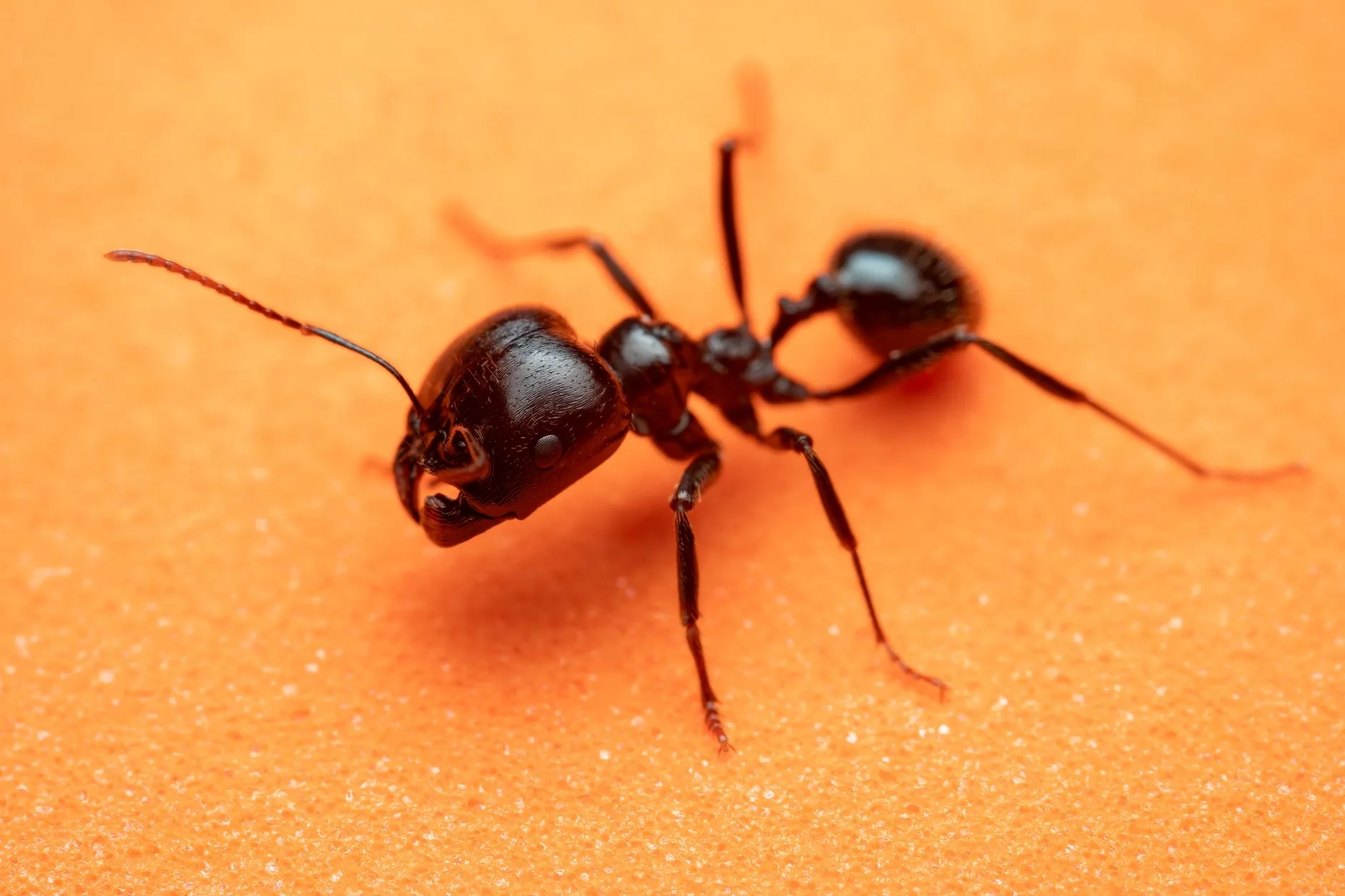
| Size | 6–13 mm - noticeably large compared to other ants |
| Colour | All black, or black thorax with reddish-orange abdomen |
| Body shape | Single node waist, evenly rounded thorax profile when viewed from the side |
| Antennae | Elbowed (geniculate) |
| Wings | Winged swarmers appear April–July - hind wings shorter than forewings |
| Key identifier | Size + sawdust-like frass near nesting sites |
Signs of Carpenter Ant Activity in Kent Homes
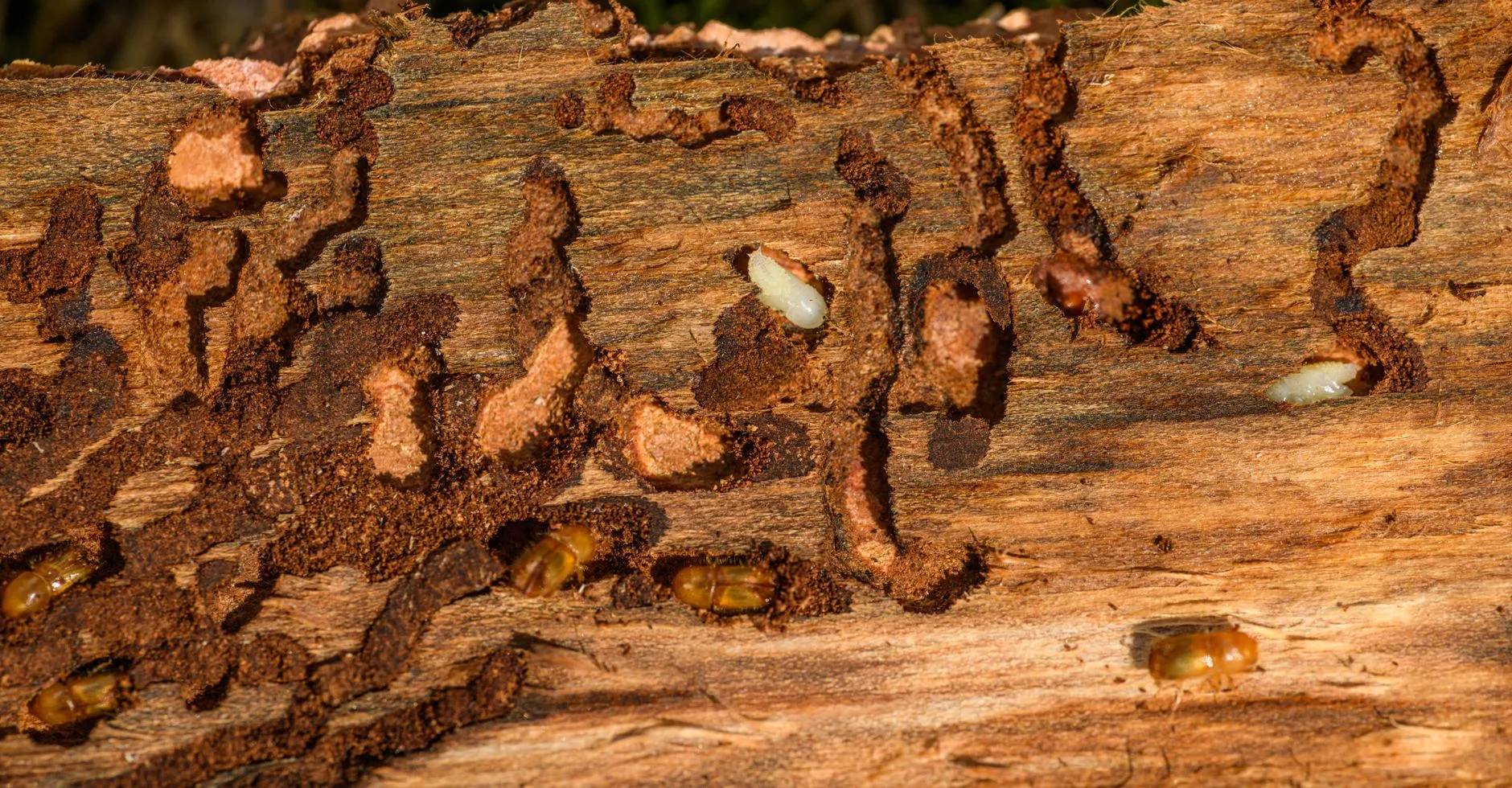
- Frass - coarse, sawdust-like material mixed with insect fragments and soil near nest sites. Pushed out of gallery openings. Unlike termite pellets, carpenter ant frass is fibrous and irregular.
- Large ants indoors - especially at night, on kitchen counters, along window sills, or near plumbing
- Winged ants (swarmers) indoors - finding winged ants inside in spring indicates a mature colony already established within the structure
- Rustling sounds in walls - particularly at night, in the quiet. Carpenter ants excavating galleries in wall voids produce a faint crinkling or rustling sound.
- Soft or spongy wood - press on window frames, deck boards, and door thresholds. Soft spots often indicate moisture damage - and where carpenter ants will nest.
Carpenter Ants vs Termites - How to Tell the Difference
| Feature | Carpenter Ant | Termite (Subterranean) |
|---|---|---|
| Body shape | Pinched waist, elbowed antennae | Broad waist, straight bead-like antennae |
| Wings (swarmers) | Hind wings shorter than forewings | All four wings equal length |
| Frass | Coarse sawdust, fibrous, includes insect bits | Fine pellets OR mud tubes (subterranean) |
| Wood damage | Clean, smooth galleries with no soil | Galleries filled with soil/mud |
| Activity time | Mostly nocturnal | Year-round, not visible |
Why Kent WA Has High Carpenter Ant Pressure
When Are Carpenter Ants Active?
Carpenter ant colonies are established year-round. Indoor foraging is most visible March through August as colonies expand and send workers out to scout for food. Winged swarmers (reproductive ants) emerge April through July - finding swarmers indoors in spring is a strong indicator that the primary colony is inside the structure, not just foraging in from outside.
DIY vs Professional Treatment
Why carpenter ants are difficult to self-treat
Carpenter ants maintain a primary outdoor colony and one or more satellite colonies inside the structure. Treating only the visible indoor workers does not eliminate the primary colony. Spray treatments kill foraging ants but do not penetrate the gallery network. Effective treatment requires locating both the primary and satellite colonies and applying bait or void treatment directly to the nest site.
What a professional treatment includes
Guardian’s carpenter ant service includes a full structural inspection to locate moisture-damaged wood, entry points, and gallery locations. Treatment combines exterior perimeter bait stations, interior void injection where nests are confirmed, and moisture source identification. We also advise on structural repairs that remove the conditions attracting carpenter ants.