What Do Fleas Look Like?
| Feature | Cat Flea |
|---|---|
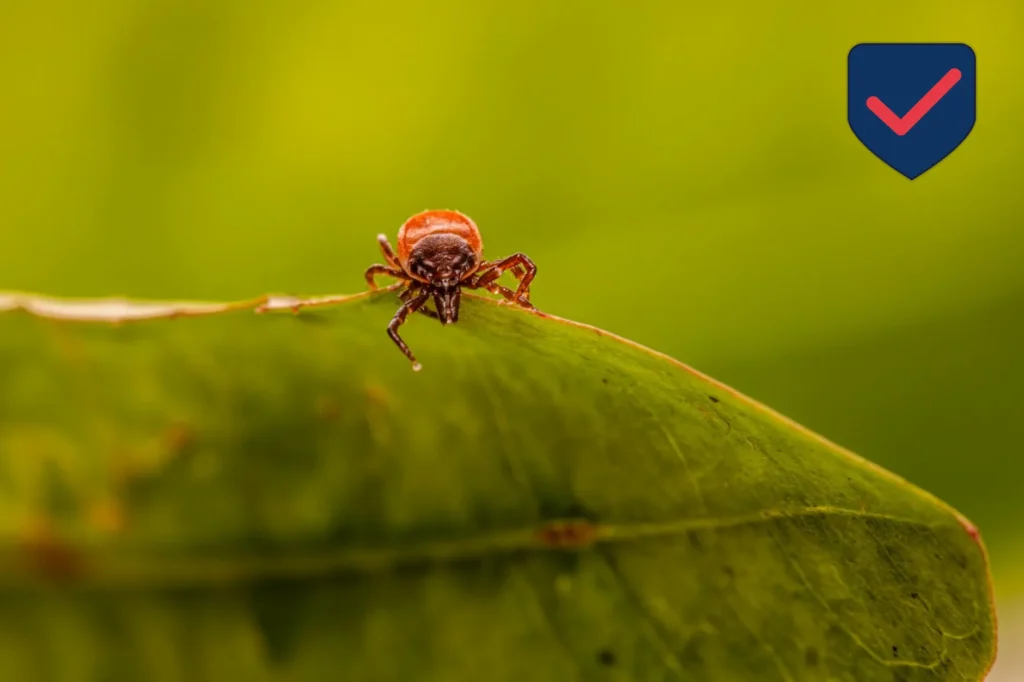
| Size | 1–3mm - adults are sesame-seed sized |
| Colour | Dark reddish-brown |
| Shape | Flattened side-to-side (laterally compressed) - allows movement through fur |
| Wings | None - fleas are wingless |
| Legs | Six legs with large hind legs for jumping - can jump 150× their body length |
| Movement | Moves very fast through fur; hard to see without a flea comb |
| Larvae | 1–5mm, white, worm-like, no legs - found deep in carpet fibres and pet bedding |
| Pupae | Inside a sticky silk cocoon coated with debris - invisible in carpet; highly resistant to insecticides |
The Flea Life Cycle - Why Treatment Is Difficult
- Eggs (35%) - laid on the pet at a rate of up to 50 per day. They fall off into carpets, furniture, and anywhere the pet rests. They hatch in 1–12 days depending on temperature and humidity.
- Larvae (35%) - avoid light, migrate deep into carpet fibres, under furniture, and into floor crevices. Feed on organic debris including adult flea droppings. Develop over 5–18 days.
- Pupae (25%) - encased in a sticky cocoon that resists insecticides. Can remain dormant for up to 12 months. Hatch in response to vibration, heat, and CO2 - which is why empty homes become suddenly infested when new occupants move in.
- Adults (5%) - emerge hungry and begin seeking a host immediately. Begin laying eggs within 24–48 hours of first blood meal.
Signs of Flea Infestation
- Flea dirt (faecal matter) - the most reliable sign when adult fleas are hard to spot. Dark specks resembling ground pepper found on pet bedding, in carpet, and on the pet’s skin. Place suspected flea dirt on damp white tissue - it dissolves to a rust-red colour (digested blood). Sand-coloured specks do not dissolve and are environmental debris, not flea dirt.
- Pet scratching, biting, and grooming - particularly at the base of the tail, belly, and neck. Flea allergy dermatitis causes significant hair loss and skin irritation in sensitised animals.
- Ankle and lower leg bites on humans - small, intensely itchy red bites in clusters or lines, usually on ankles and lower legs where fleas jump from carpet to host
- Seeing fleas jump - wearing white socks and walking through a carpeted room in a suspected infested house often produces visible jumping fleas against the white fabric
- Flea combing - run a fine-toothed flea comb through your pet’s coat, particularly along the back and base of tail. Live fleas or flea dirt in the comb confirms infestation.
Flea Season in Kent WA
Fleas are active outdoors from approximately April through November in South King County, with peak populations in July through September when warmth and humidity are highest. Indoor infestations can persist year-round because central heating maintains temperatures suitable for flea development. Late summer is when most flea calls occur - outdoor flea populations peak and pets bring them indoors in higher numbers.
Exterior Flea Sources in Kent
Pets are not always the source. Wildlife that shelters near Kent homes - raccoons, opossums, feral cats, and rodents - leave flea eggs in resting areas under decks, in crawl spaces, and in dense shrubbery. A pet that uses the garden can pick up fleas from these wildlife resting zones without direct contact with the animal. Identifying and treating exterior flea harborage areas is an important part of controlling recurring infestations.
DIY vs Professional Treatment
What you must do - pet treatment
Professional or prescription flea treatments from a veterinarian (not over-the-counter products) are necessary to eliminate adult fleas on the pet. Treatment of the pet and the environment must happen on the same day - treating the pet alone allows environmental fleas to re-infest within days.
Environmental treatment
Vacuum all carpets, rugs, and upholstery thoroughly immediately before treatment - this removes eggs and larvae and stimulates pupae to hatch. Bag and dispose of the vacuum contents outdoors immediately. Wash pet bedding at 60°C. Professional treatment uses an insect growth regulator (IGR) combined with an adulticide - the IGR prevents larvae from developing into breeding adults and is the critical component missing from most consumer products. Pupae are unaffected by insecticides; expect some flea activity for 2–3 weeks after treatment as dormant pupae hatch and contact treated surfaces.