Identification
| Feature | German Cockroach |
|---|---|
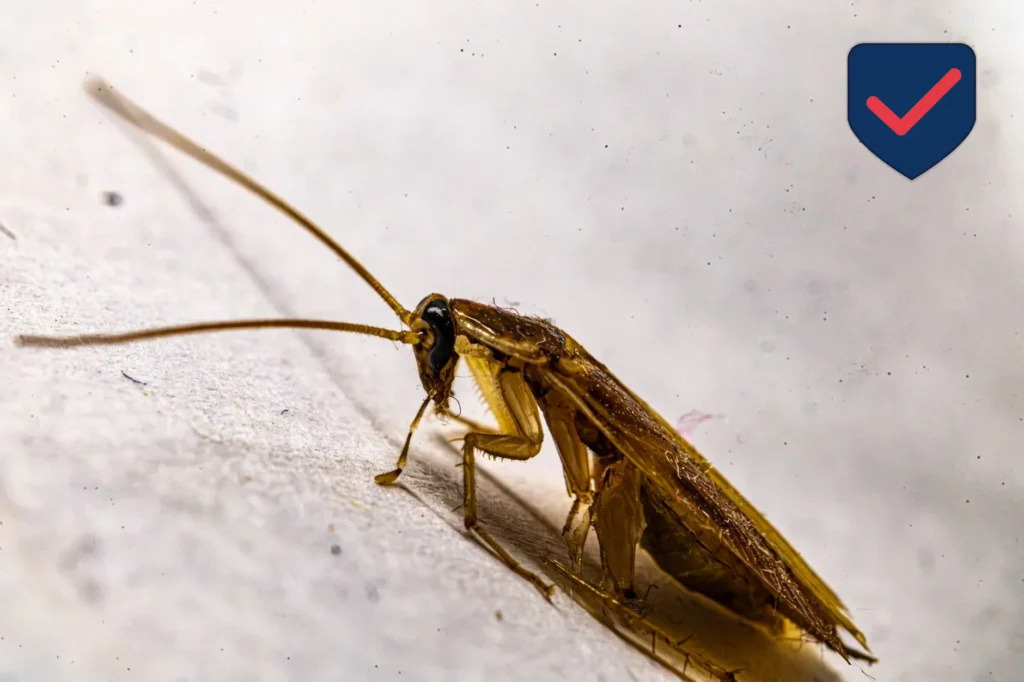
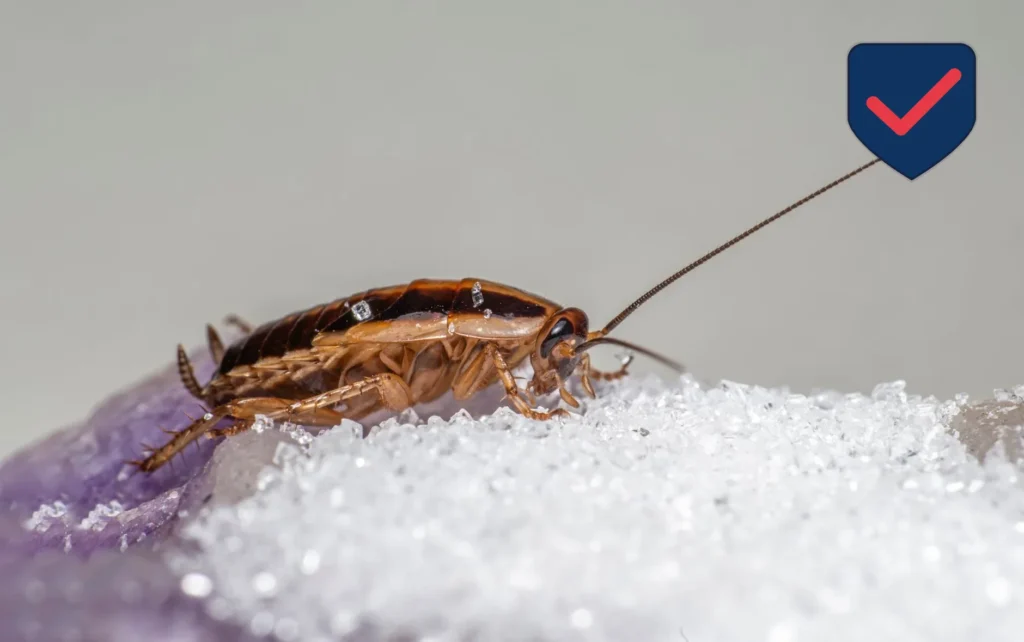
| Size | 10–15mm (adults) - small compared to American and Oriental cockroaches |
| Colour | Light tan to medium brown |
| Key marking | Two dark parallel stripes running lengthways on the pronotum (shield behind the head) |
| Wings | Full-length wings - but German cockroaches rarely fly |
| Antennae | Long, thin, same length as body |
| Nymphs | Dark brown to black, wingless, with a pale stripe down the back - commonly mistaken for a different species |
| Egg capsule (ootheca) | Light brown, 6–9mm long, carried by the female until just before hatching |
German Cockroach vs Other Cockroach Species
| Species | Size | Colour | Habitat | Common in Kent? |
|---|---|---|---|---|
| German Cockroach | 10–15mm | Tan, two dark stripes | Kitchens, bathrooms, indoors | Very common |
| American Cockroach | 35–40mm | Reddish-brown, pale margin on pronotum | Basements, drains, boiler rooms | Occasional |
| Oriental Cockroach | 20–25mm | Dark brown to black, dull | Drains, damp crawl spaces | Occasional |
Signs of German Cockroach Infestation
- Droppings - small dark specks resembling ground pepper or coffee grounds. Found in corners of cabinets, along shelf edges, inside drawers, behind appliances, and inside electrical switch boxes.
- Egg capsules (oothecae) - light brown capsules ~7mm long, found in corners of cabinets, behind refrigerators, and inside pantry areas
- Cast skins (shed exoskeletons) - German cockroaches moult 6 times before reaching adulthood. Cast skins are found near harborage areas.
- Musty odour - a distinctive, sweet-musty smell in heavily infested areas. Strongest in enclosed spaces like cabinets and under sinks.
- Live cockroaches during the day - daytime sightings indicate the population has grown large enough to displace individuals from prime harborage areas. This is a serious sign.
- Smear marks - dark, irregular smear marks along surfaces where cockroaches travel regularly
Why German Cockroaches Are a Health Risk
How German Cockroaches Spread
German cockroaches are passive travellers. They enter structures inside cardboard boxes, grocery bags, used appliances, and furniture - not typically through exterior gaps the way rodents do. In multi-unit buildings and apartment complexes in Kent and Renton, they move between units through shared plumbing walls, electrical conduit, and gaps around pipes. A single infested unit in a multi-family building is a risk to the entire structure.
Why DIY Treatment Often Makes It Worse
Aerosol sprays and foggers repel German cockroaches rather than killing the population. Cockroaches scatter into new areas - including wall voids and neighbouring units - when exposed to repellent chemicals. This spreads the infestation and makes subsequent professional treatment harder. German cockroaches also develop resistance to pyrethroid insecticides rapidly. Over-the-counter products are rarely effective against an established population.
What works
Gel bait (fipronil or indoxacarb-based) placed in small amounts directly inside harborage areas is the most effective treatment. Cockroaches consume the bait, return to the harborage, and die - where other cockroaches then consume the contaminated bodies (secondary kill). No repellent effect; no scattering. Professional treatment targets every harborage location identified during inspection, including inside appliance motors, cabinet hinges, and electrical outlets.