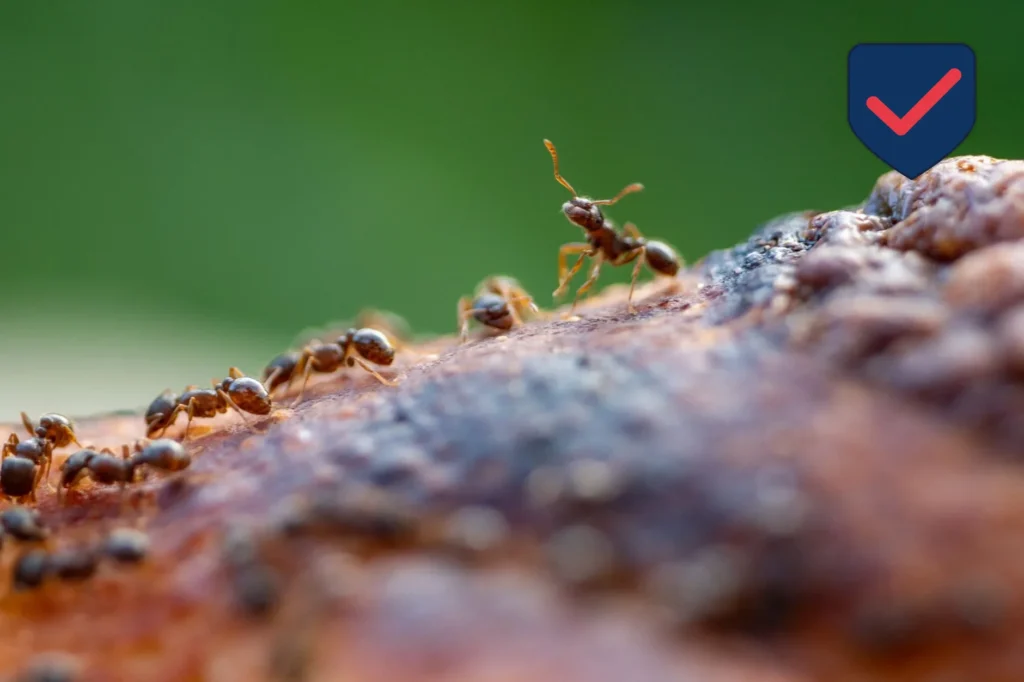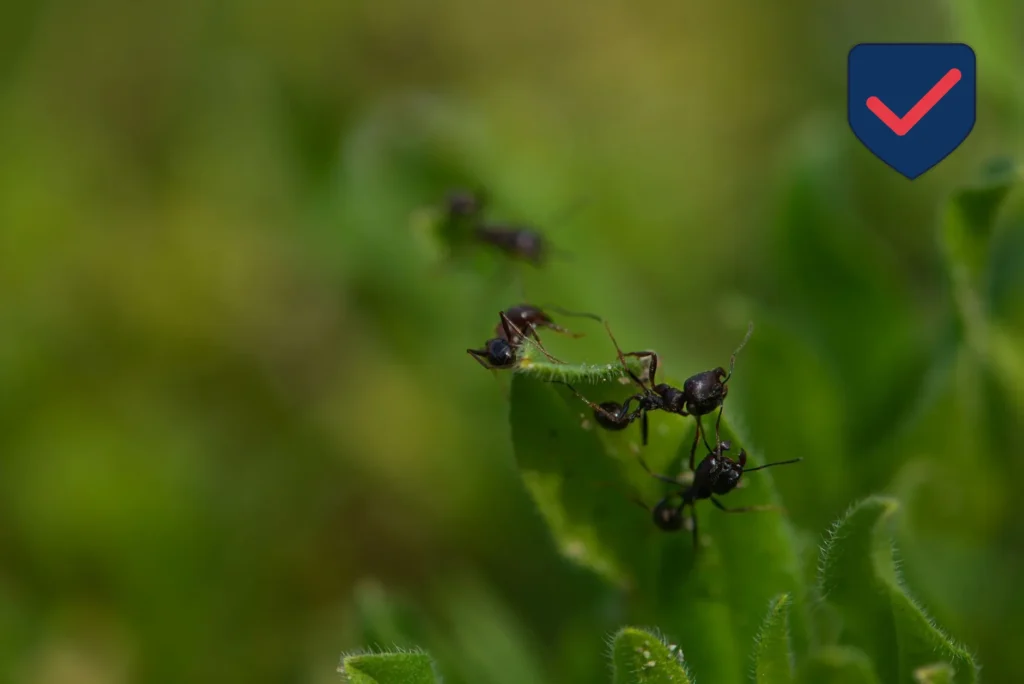
What Does an Odorous House Ant Look Like?
| Feature | Odorous House Ant |
|---|---|
| Size | 1–3 mm (very small - smaller than a sesame seed) |
| Colour | Dark brown to black |
| Body shape | One node on the petiole (waist segment), not visible from above |
| Antennae | 12-segmented, no club |
| Wings | Winged reproductives (alates) appear in spring and summer |
| Key identifier | Rotten coconut or blue cheese smell when crushed |
Signs of Odorous House Ant Infestation
- Foraging trails - visible lines of small dark ants along baseboards, countertops, window sills, and plumbing lines
- Kitchen activity - ants inside cupboards, around sugar sources, pet food bowls, and fruit
- Bathroom presence - ants near pipes and moisture - they seek water as much as food
- Outdoor nests - colonies in soil along foundations, under stepping stones, in mulch, and beneath logs or debris
- Year-round indoor activity - unlike some ants, odorous house ants remain active indoors in winter when outdoor colonies move inside wall voids for warmth
Why Odorous House Ants Are Common in Kent WA
Kent’s wet winters and mild springs create ideal soil moisture for odorous house ant colonies along the Soos Creek corridor and throughout South King County residential areas. Older homes in central Kent with plumbing leaks, crawl space moisture, and wood-to-soil contact are particularly susceptible. Colonies move frequently in response to disturbance - which is why many DIY treatments appear to work initially but fail within weeks as the colony relocates to a new area of the structure.
When Are They Most Active?
Odorous house ants are active year-round in Western Washington. Outdoor foraging peaks March through September. In autumn, colonies move deeper into heated structures - making October through February the period when indoor infestations are most noticeable. A colony that appears indoors in winter has typically been established in the structure’s wall voids or sub-floor for months.
DIY vs Professional Treatment
What works for minor infestations
Slow-acting bait gels (e.g. TERRO liquid bait) can manage small trailing colonies reaching a food source. Place bait directly on the ant trail. Do not spray. Allow worker ants to carry bait back to the colony for 3–5 days before wiping trails. This approach works only when the colony is small and not yet established inside the structure.
When to call a professional
- Ants are present in multiple rooms or areas of the structure
- Baiting has not reduced activity within 2 weeks
- You can see ants emerging from wall voids, under flooring, or from behind skirting boards
- Activity resumes within days of treatment
- Ants are present in a commercial kitchen or food handling area
Professional treatment uses species-verified bait formulations applied to confirmed trail locations with access to the colony’s foraging network. Guardian technicians also address moisture and structural conditions that make the property attractive to odorous house ants in the first place.